Looking for a slower pace without giving up Front Range views? If Monument is on your short list alongside North Colorado Springs or Denver’s outer suburbs, you’re not alone. The town blends a true small‑town core with big‑sky scenery and everyday convenience. In this guide, you’ll see what life feels like here, how the housing options stack up, what commutes look like, and the practical checks to make before you buy. Let’s dive in.
Why Monument appeals
Monument is growing yet still feels personal. The town’s estimated population reached about 13,408 in 2024, up roughly 29 percent since 2020, according to the U.S. Census Bureau. Owner‑occupancy is high at about 78.5 percent, and the median value of owner‑occupied homes sits near $586,400 based on recent American Community Survey data. Those numbers match what many buyers notice on a visit: a stable, owner‑led community with a wide range of home types.
For many households, the pull is simple. You get everyday access to mountain views and trail networks plus a Main Street that still hosts parades and summer concerts. It feels like a small town, but the services you rely on are close at hand.
Main Street and events
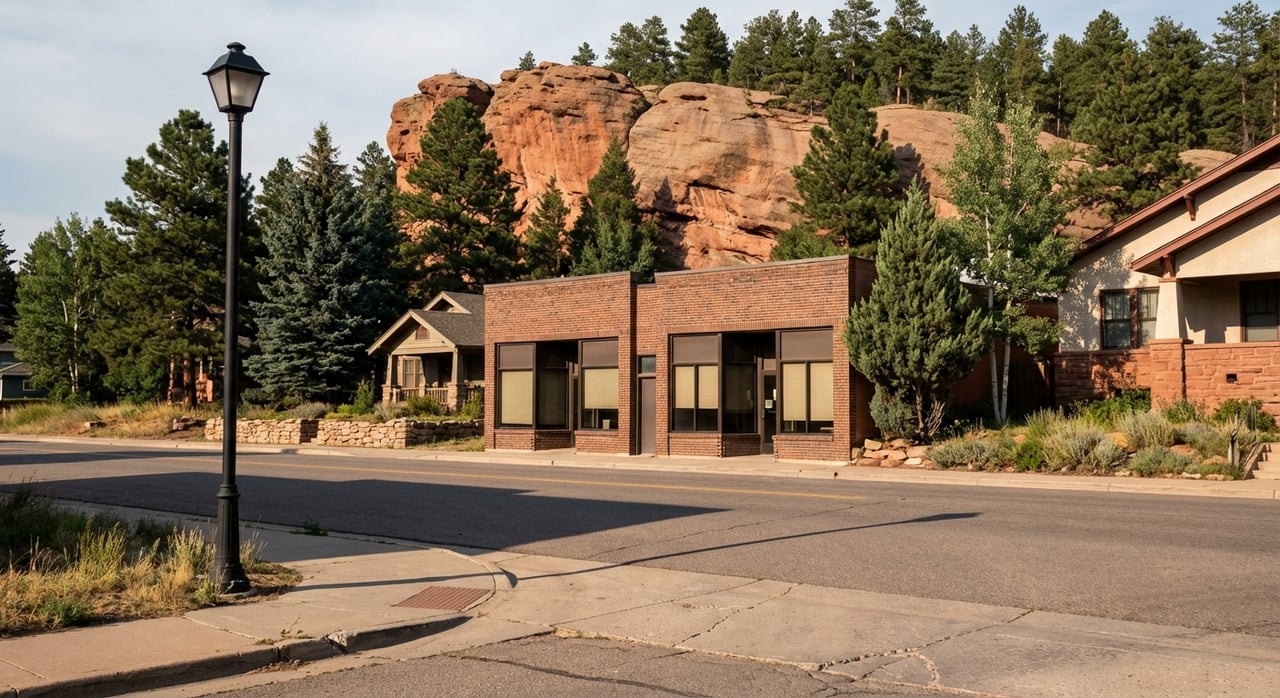
Downtown Monument is compact and walkable. Along Front, Second, and Washington streets, you’ll find coffee shops, sit‑down restaurants, and locally owned stores that anchor community life. Seasonal programming fills the calendar. Monthly Art Hop nights, Concerts in the Park at Limbach Park, and an annual Fourth of July street fair bring neighbors together through the summer. You can check the town’s official calendars for current happenings on the Town of Monument website, and see how local arts and community events shape the vibe through coverage from Our Community News.
Outdoor access and views
If you love trail time, Monument makes it easy. Local favorites include Mt. Herman trails, the Santa Fe Regional Trail, Monument Lake and nearby Palmer Lake, and the larger Fox Run Regional Park. These spots offer hiking, biking, playgrounds, and picnic areas with constant views of the Front Range. For many residents, a quick after‑work hike or a weekend bike ride is just part of the routine.
Home types and neighborhoods
Expect a clear mix of choices, each with its own feel:
- Historic downtown cottages. In and around Old Town, you’ll see older bungalows and Victorians on smaller lots. Buyers who want character and walkability often start here.
- Master‑planned suburban options. Jackson Creek and nearby subdivisions provide the classic single‑family layout many families want, with homes often built from the late 1990s through the 2010s. You’ll find grocery and retail nodes nearby for easy errands.
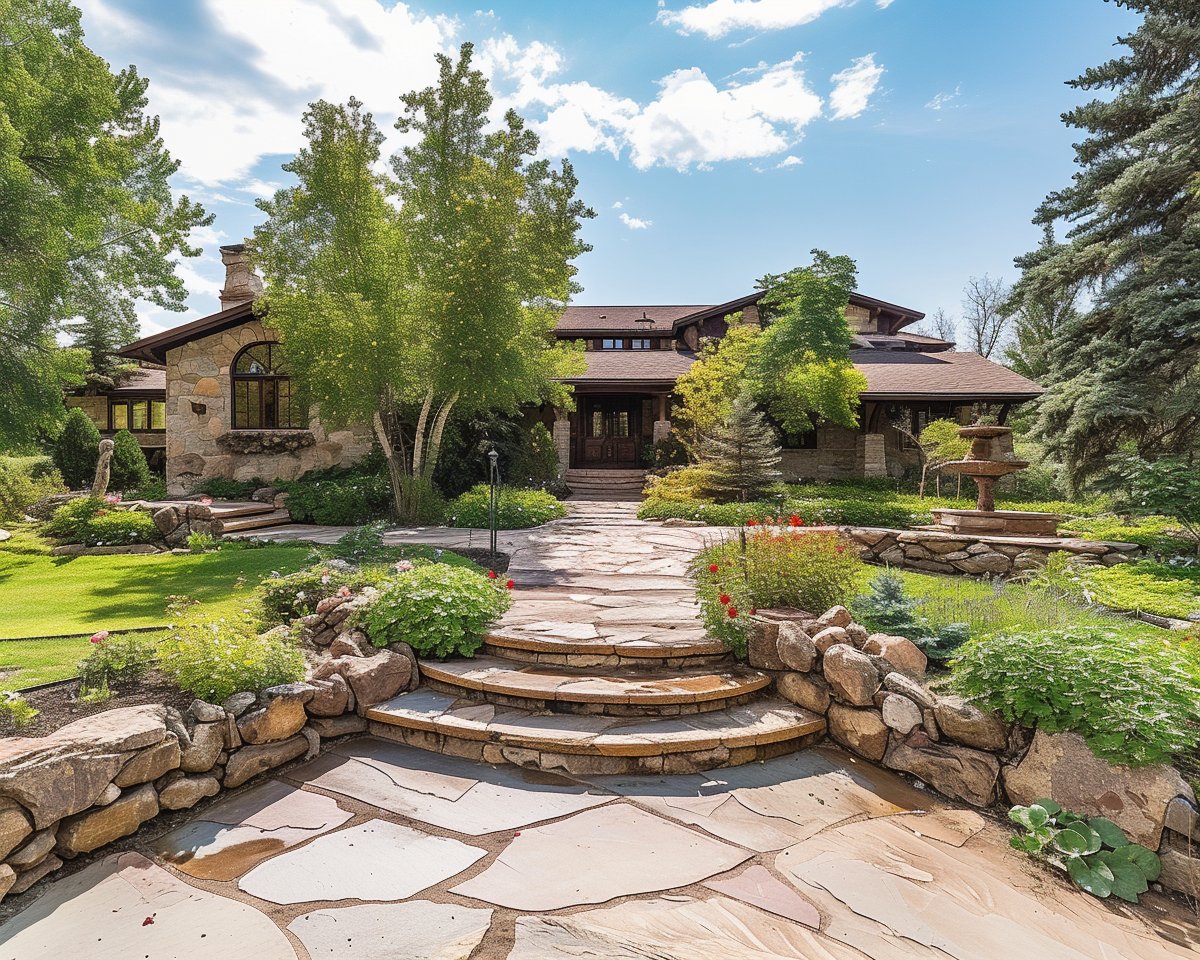
- Established and upscale communities. Woodmoor, Sanctuary Pointe, King’s Deer, and Bent Tree offer larger lots, tall pines, golf‑adjacent settings, and custom or luxury homes. Views, lot size, and privacy drive pricing in these areas.
Across the town, single‑family detached homes dominate. There are pockets of townhomes and patio homes near retail areas, but rental inventory is limited compared with the owner market. As you compare neighborhoods, keep an eye on lot size, view corridors, and proximity to your daily routes. Those details tend to move price and day‑to‑day convenience more than anything else.
What homes cost today
Market trackers often show Monument priced a step above many nearby suburbs. Recent sources place typical home values in the mid‑$700Ks, with median sale prices in the mid‑to‑high $700Ks. Entry points exist, especially for smaller single‑family homes, older downtown cottages, or townhomes that sometimes trade in the $350K to $550K range. Move‑in‑ready single‑family homes commonly list around the $600K to $800K band, and luxury or acreage properties often exceed $1M.
Methodologies vary across trackers, so treat these as ranges. If you are getting serious about a specific neighborhood, ask for a fresh, hyper‑local view of active, pending, and sold listings so you can anchor decisions to today’s numbers.
Commute and connectivity
Monument sits right on the I‑25 corridor with direct access to multiple exits. Most Colorado Springs employment centers are roughly 20 to 40 minutes away depending on where you work and time of day. The town’s mean travel time sits near 30.5 minutes in recent Census estimates. Denver commutes are possible, especially for hybrid schedules, but a daily drive is long at about 60 to 90 minutes or more with traffic.
The I‑25 South Gap project between Castle Rock and Monument added capacity and express lanes. For project context and corridor details, you can review the I‑25 guide. Enforcement and tolling continue to evolve, so it helps to stay current on updates, like recent coverage of express‑lane enforcement in the region from the Colorado Springs Gazette.
Regional transit exists but is limited. Some residents use CDOT’s Bustang intercity bus for occasional Denver trips via nearby park‑and‑ride lots. Rideshare coverage is available, although it can be thinner in rural or acreage areas. For air travel, Colorado Springs Airport is typically a 20 to 30 minute drive, while Denver International is roughly 65 to 90 minutes under normal traffic, as noted in local resources like Triview Metropolitan District’s guide. The best advice is simple: test‑drive your specific routes during rush hours before you buy.
Schools and programs
Monument is served by Lewis‑Palmer School District 38, which covers the wider Tri‑Lakes area. You can review enrollment and program details on the Colorado Department of Education’s district profile. Families also consider local charter options, such as Monument Academy, and several private or faith‑based schools in the area.
Use a neutral, factual lens when comparing options. Boundaries, transportation, and program offerings can shift, so confirm the most current information directly with the district and any school you are considering.
Practical checks for buyers
A little prep goes a long way in Monument. Add these items to your visit plan:
- Commute test. Drive your actual route at your actual commute time, in both directions. Try an express lane versus general lanes to compare.
- School and activity run. Time the drive to your school, childcare, or sports fields during peak periods.
- Utilities and systems. Confirm whether a property is on municipal or metro‑district water and sewer, or if it relies on a private well and septic. This can affect maintenance and financing.
- Cell and internet. Check signal strength and provider options at the house, not just in the neighborhood.
- Taxes and fees. Colorado’s effective property tax rate is often cited as relatively low, around 0.5 percent of market value, but actual bills vary by parcel due to overlapping jurisdictions and any special districts or HOAs. Learn more in this Colorado property tax primer, and review the current tax bill and any HOA or metro‑district fees for the specific home you are considering.
- Parks and trails. Try your daily loop. See how long it really takes to reach the Santa Fe Regional Trail, Mt. Herman, or Fox Run from the driveway you are evaluating.
Safety and data sources
Crime statistics can look different depending on the vendor and time window. For example, NeighborhoodScout’s Monument profile has shown a higher‑than‑U.S. average combined index in some periods, while CrimeExplorer’s FBI‑based summaries can read below or near national averages depending on metrics and dates. Methods, boundaries, and reporting lags vary. For the most current local view, check recent reports from Monument Police Department or the El Paso County Sheriff and review neighborhood trend maps as part of your due diligence.
Is Monument right for you?
If you want small‑town rhythm, mountain‑view mornings, and everyday outdoor access, Monument delivers. You will trade a bit of big‑city convenience for a closer community feel, but the I‑25 corridor keeps regional options within reach. For many buyers, especially those comparing North Colorado Springs and Denver exurbs, the balance here feels just right.
Ready to explore homes that match your must‑haves and timeline? Connect with Nicole Strom for local guidance tailored to your move. Nicole is a full‑time residential specialist with military‑relocation expertise, modern marketing tools, and a hands‑on approach for remote or time‑pressed buyers and sellers. Start your move. Request your free relocation guide.
FAQs
What is the current population of Monument, Colorado?
- The town’s estimated population was about 13,408 as of July 1, 2024, based on U.S. Census Bureau QuickFacts.
How long is the commute from Monument to Colorado Springs and Denver?
- Many Colorado Springs jobs are 20 to 40 minutes away depending on destination and traffic; Denver is typically 60 to 90 minutes or more, so it suits hybrid or occasional commuting.
What school district serves Monument and where can I confirm details?
- Lewis‑Palmer School District 38 serves Monument and the Tri‑Lakes area; you can review enrollment and programs on the Colorado Department of Education’s district profile.
What types of homes are common in Monument, Colorado?
- Single‑family detached homes dominate, with options from historic downtown cottages and suburban builds to luxury and acreage properties; townhomes and patio homes exist in smaller numbers.
How much do homes typically cost in Monument right now?
- Recent market trackers place typical values and median sale prices in the mid‑to‑high $700Ks, with move‑in‑ready single‑family homes often in the $600K to $800K range and luxury or acreage homes above $1M.
What are the main outdoor and recreation options near Monument?
- Popular choices include the Santa Fe Regional Trail, Mt. Herman trails, Fox Run Regional Park, Monument Lake, and nearby Palmer Lake, all with Front Range views.
Are property taxes high in Monument, Colorado?
- Colorado’s effective property tax rate is commonly cited around 0.5 percent of market value, but actual bills vary by parcel due to overlapping taxing districts and any HOA or metro‑district fees.
What should I verify before buying a home in Monument?
- Test your commute and school routes at rush hour, confirm utilities and systems like well and septic versus municipal service, check cell and internet options, and review the current tax bill plus any HOA or metro‑district fees.