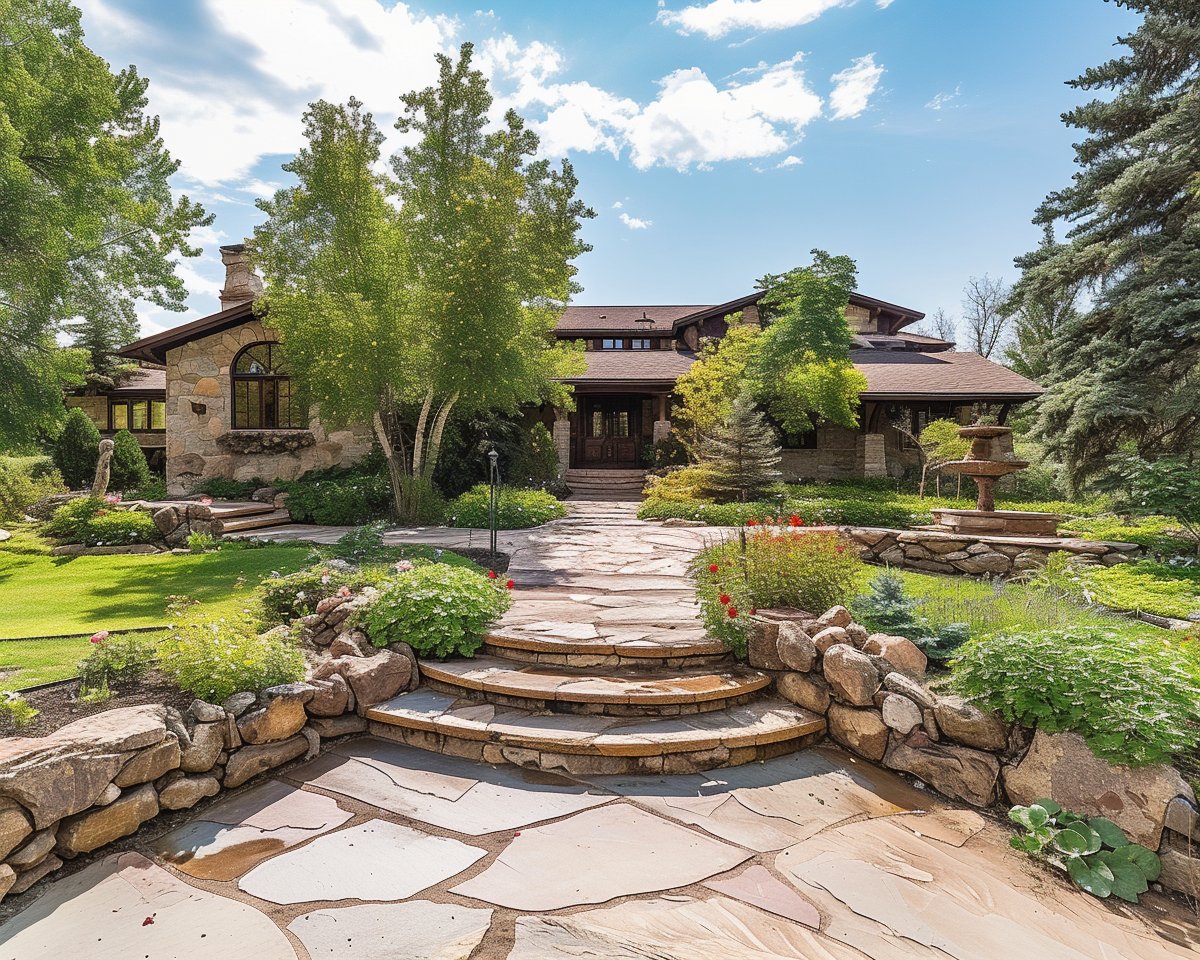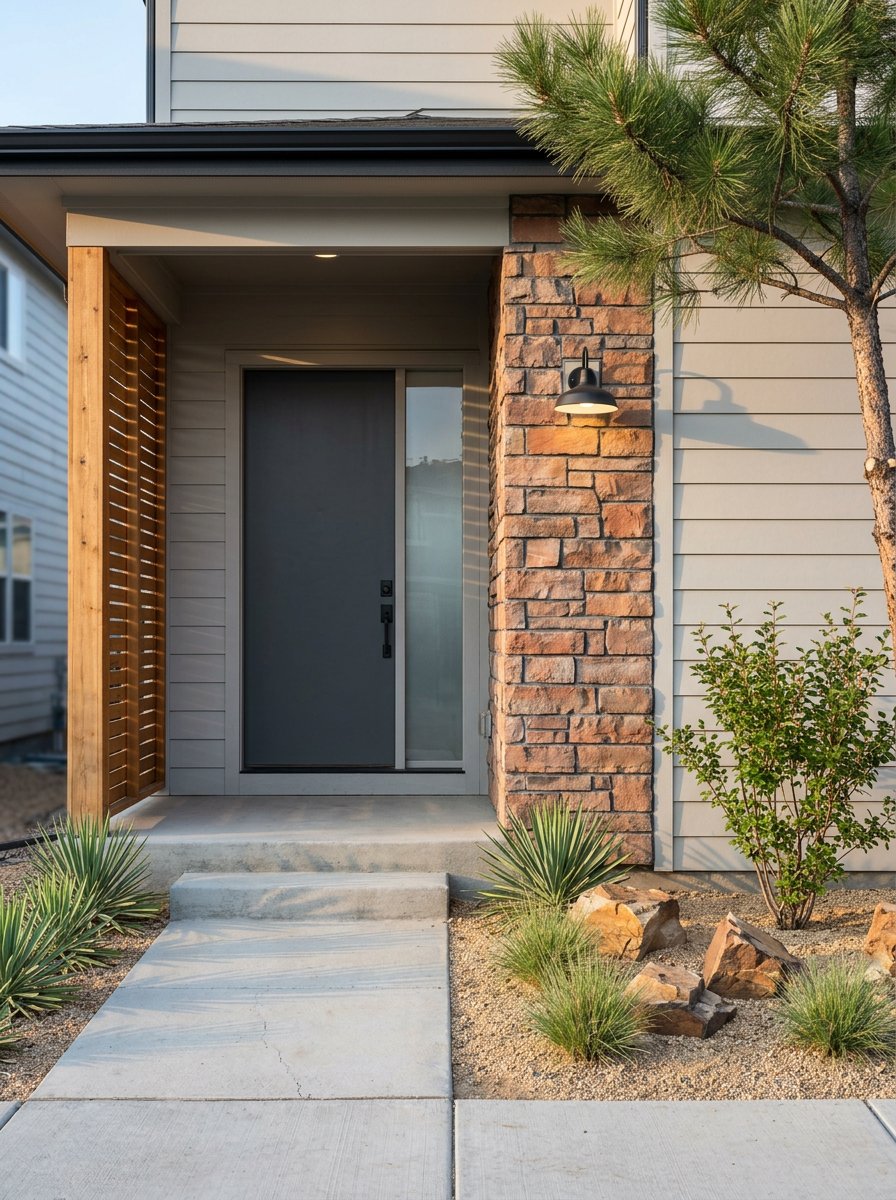
Shopping for a brand-new home in Briargate or north Colorado Springs? You’re not alone. Buyers love the fresh finishes, energy efficiency, and flexible timelines that new construction can offer. If you’re relocating or on a tight schedule, you also want clear answers on pricing, HOA dues, metro district taxes, and how long the build will really take. This guide breaks it all down with local examples so you can plan confidently. Let’s dive in.
What “new construction” looks like here
North Colorado Springs keeps growing with master-planned communities that add parks, trails, and a wide mix of homes. A good example is the Percheron master plan near Woodmen and Banning Lewis, a multi‑phase project with thousands of planned homes and a broad range of lot sizes and product types. You can see the scope of the plan and its phased approach in the local coverage of the Percheron development underway.
National and regional builders are active across this corridor. You’ll find both “quick move‑in” inventory and build‑to‑order homes in neighborhoods across Briargate and adjacent north‑side areas. To get a feel for current collections and availability, browse builder community pages like this David Weekley Homes collection at Wolf Ranch.
Home types and typical features
You’ll see three broad groups of new homes in Briargate and the surrounding north‑side communities:
- Townhomes and compact attached homes. Many recent collections range roughly 1,400 to 1,900 square feet with 2 to 3 bedrooms. They’re marketed as low‑maintenance, lock‑and‑leave options. For example, one nearby Ascent collection offers plans around 1,649 to 1,907 square feet as shown on the community page.
- Entry and mid‑sized single‑family. These popular plans often run about 1,600 to 2,800 square feet with open main levels, 2 to 4 bedrooms, and an unfinished or optional finished basement.
- Larger ranch and move‑up options. Some phases offer 3,000+ square feet, walkout basements, and 3‑car garages. You’ll also see finished basement promotions in certain plan lines, such as the Vantage Homes plan example.
Common site features include basements (full or optional), crawlspaces on select lots, and walkout sites on sloped parcels. Builders typically match foundation types to the specific lot. You can preview how plans pair with lots by skimming local builder pages like the David Weekley community overview.
Prices: what to expect
Because product types range from attached townhomes to larger ranches, list prices vary widely. Recent examples in the broader area show entry and mid‑level new homes starting in the mid‑$400,000s and larger plans moving into the high‑$600,000s and $700,000s depending on builder, floor plan, and lot. The Wolf Ranch community page gives a useful snapshot of how collections and pricing tiers stack up.
Keep in mind that total monthly cost goes beyond your mortgage. In many new communities you’ll also have HOA dues and a separate metro district tax. You’ll want to add these items to your mortgage payment to see the true picture.
HOAs vs. metro districts: know the difference
- HOAs are private associations that manage neighborhood rules and often maintain common areas or amenities (pools, small parks, snow for some product types).
- Metro districts are governmental entities formed under Colorado law to fund public infrastructure like roads, water/sewer mains, and major landscaping. They finance improvements and can levy property taxes (mill levies) and fees. You can learn how a local district is structured by reviewing resources like the Old Ranch Metropolitan District overview.
How to estimate the metro district tax:
- Basic formula: annual district tax = assessed value × (district mill levy ÷ 1,000). The Colorado Assessors’ Library explains the mechanics behind assessment and mill levies in detail. If you want to go deeper, start with the state’s assessors’ guidance.
Local examples show how these charges vary by neighborhood and product type:
- Some Percheron listings show a low annual HOA around $360 per year where the metro district handles many shared obligations via the tax roll.
- In amenity‑forward pockets such as Wolf Ranch, certain townhome or side‑yard‑maintained areas show HOA dues around $189 per month where you get a pool, commons, and exterior upkeep.
Your takeaway: compare apples to apples. Add the mortgage payment, HOA dues, and the estimated metro district tax line to see your true monthly obligation. Because mill levies and HOA budgets can change, always confirm current numbers in writing before you finalize a purchase.
Lot size and setting: compact vs. room to roam
Lot sizes vary by sub‑community and phase. Percheron includes a wide range, from townhome lots around 2,086 square feet to single‑family lots up to about 10,150 square feet, as covered in the Percheron project overview. Newer phases near retail and amenity cores often aim for more efficient lots, while established Briargate pockets like Pine Creek typically offer larger yards.
Walkout lots are common on sloped sites in the north corridor, and many builders offer plans designed for that setting. If a walkout, views, or a larger yard is high on your wish list, you’ll want to ask early about premium lot availability and how that affects price.
Builder incentives: how to evaluate them
Local builders regularly advertise promotions to help move inventory or sweeten to‑order builds. Common incentives include:
- Mortgage rate buydowns to lower your initial payment
- Closing‑cost contributions
- Included upgrades like landscaping, air conditioning, or a finished basement
You’ll find time‑limited promos on builder pages. For example, a Vantage Homes plan has advertised a bundled offer with an included finished basement and AC, along with an interest promotion, as shown on this plan overview. National builders also post incentives on their community pages, such as David Weekley’s Wolf Ranch collection.
Tips to assess incentives:
- Rate buydowns reduce your monthly payment for a set period. Confirm who pays the points, how long the buydown lasts, and what your payment will be when it resets.
- “Included upgrades” should be in writing. Ask for the exact finished square footage, HVAC specs, appliance models, and any design allowances.
- Promotions change. Note the date and terms on any incentive you are relying on.
Timelines: quick move‑ins vs. build‑to‑order
If timing matters, you have two primary paths:
- Quick move‑in inventory. These are spec homes that are built or near completion. Once your loan is ready and final inspections are done, you can often close within weeks. Many local builder pages list current quick move‑ins and estimated availability dates, like the Wolf Ranch community page.
- Build‑to‑order. Expect a longer schedule. National and regional benchmarks put average completion for a one‑unit home at about 10.1 months, including permitting. Built‑for‑sale product can be faster than custom projects, but you should still build in buffer time for permitting, weather, and materials. See an accessible summary of the national averages here: How long does it take to build a house.
Relocation planning checklist:
- Get pre‑approved early so you can lock a home or lot quickly.
- Ask for a written construction schedule with milestone dates (foundation, framing, selections lock‑in, inspections, target completion).
- Confirm what happens if the completion date slips. Ask about occupancy buffers and any remedies in the contract.
- Consider quick move‑ins as a fallback if your target date moves up.
- Budget for short‑term housing or storage, just in case.
How to compare total monthly cost
Use this simple three‑step approach to avoid surprises:
- Start with the mortgage payment estimate from your lender.
- Add HOA dues. Ask what the HOA covers and whether any future increases are planned.
- Add the metro district tax estimate. Use the formula: assessed value × (mill levy ÷ 1,000). If you’re unsure, ask for a recent example tax bill for a similar lot. The state’s assessors’ guidance explains the mill‑levy math if you want to verify your numbers.
A quick note on variation: two similar homes in the same master plan can have very different all‑in costs because of lot premiums, metro district mill levies, and HOA scope. Always verify the current district name, mill levy, and HOA budget for the specific address you’re buying.
Documents to request before you sign
To make an informed decision, ask your agent or the seller/builder for:
- Metro district service plan and boundary map, plus the latest adopted budget and audited financials. These documents outline services, maximum levies, and debt. Review a district example at the Old Ranch Metropolitan District page.
- HOA documents: covenants/CC&Rs, rules, and any reserve study or budget. These shape lifestyle and future costs.
- A current property tax bill (or a recent example for a comparable lot). Use it to estimate the metro district line item using the state assessment framework.
- Builder warranty and an itemized list of base inclusions vs. optional upgrades. Builder pages that list inclusions or promos, like the Vantage Homes plan overview, are useful reference points.
Briargate and north‑side highlights to consider
- Variety of neighborhoods and phases. Expect everything from low‑maintenance townhomes to larger ranch plans with walkouts.
- Lot size spectrum. Newer phases near amenities favor efficient lots, while established pockets like Pine Creek generally offer larger yards.
- Outdoor lifestyle and conveniences. Master plans often add trails, parks, and easy access to shopping corridors.
If your priorities include a specific lot setting, finished basement, or faster timeline, discuss these must‑haves early so you can focus on the right sub‑communities and builders.
Ready to explore? Your next step
New construction in Briargate and north Colorado Springs offers real choice, whether you want a quick move‑in or a personalized build. When you compare all‑in monthly costs, understand metro districts and HOAs, and set a realistic timeline, you’ll move forward with confidence.
If you’re relocating, juggling a tight report date, or just want a clear plan from day one, reach out to Nicole Strom for local guidance. As a Military Relocation Professional with deep north‑side experience, Nicole can help you weigh new construction against resale, spot the best incentives, and coordinate a timeline that fits your life.
FAQs
What price range should I expect for new construction in Briargate and nearby north Colorado Springs?
- Recent examples show entry and mid‑level new homes starting in the mid‑$400,000s, with larger plans reaching the high‑$600,000s and $700,000s depending on builder, plan, and lot, as reflected on local builder community pages.
How do HOAs and metro districts affect my monthly payment in new communities?
- HOAs charge dues for rules and amenities, while metro districts levy property taxes to fund public infrastructure; add both to your mortgage payment to see your true monthly cost, and review district details like the Old Ranch overview.
Are there quick move‑in options if I need to close fast?
- Yes. Many builders keep inventory homes that can close in weeks once your financing and inspections are set; browse local builder pages for “quick move‑ins,” such as the Wolf Ranch collection.
How long does a build‑to‑order home usually take in this area?
- Timelines vary by builder and phase, but national benchmarks put average completion for a single‑unit home at about 10.1 months including permitting; plan for buffer time due to weather or materials, as summarized in this construction time overview.
What incentives do builders in north Colorado Springs commonly offer?
- You’ll often see mortgage rate buydowns, closing‑cost help, and included upgrades like landscaping, AC, or a finished basement; always confirm terms and dates on the builder’s page, such as this Vantage plan example.