Recent headlines following Donald Trump’s remarks at the World Economic Forum in Davos have reignited the housing affordability conversation. Much of the focus continues to land on mortgage interest rates. While rates are the quickest and most visible lever, they are not the core issue facing buyers today.
Housing affordability in the United States is fundamentally a supply and demand problem, not just a rate problem.
Economists estimate the country is short approximately 3.8 million homes relative to actual demand. That shortage has been building for more than a decade and closely mirrors the conditions that followed the 2008 housing crash. After that collapse, homebuilding slowed dramatically. For years, new construction failed to keep pace with population growth, household formation, and migration trends.
Today, the consequences of that underbuilding are clear.
Even when mortgage rates soften, prices remain elevated because there simply are not enough homes. Focusing exclusively on interest rates may feel productive, but it does not create inventory. It only reshuffles demand.
Why New Construction Matters More Than Rates
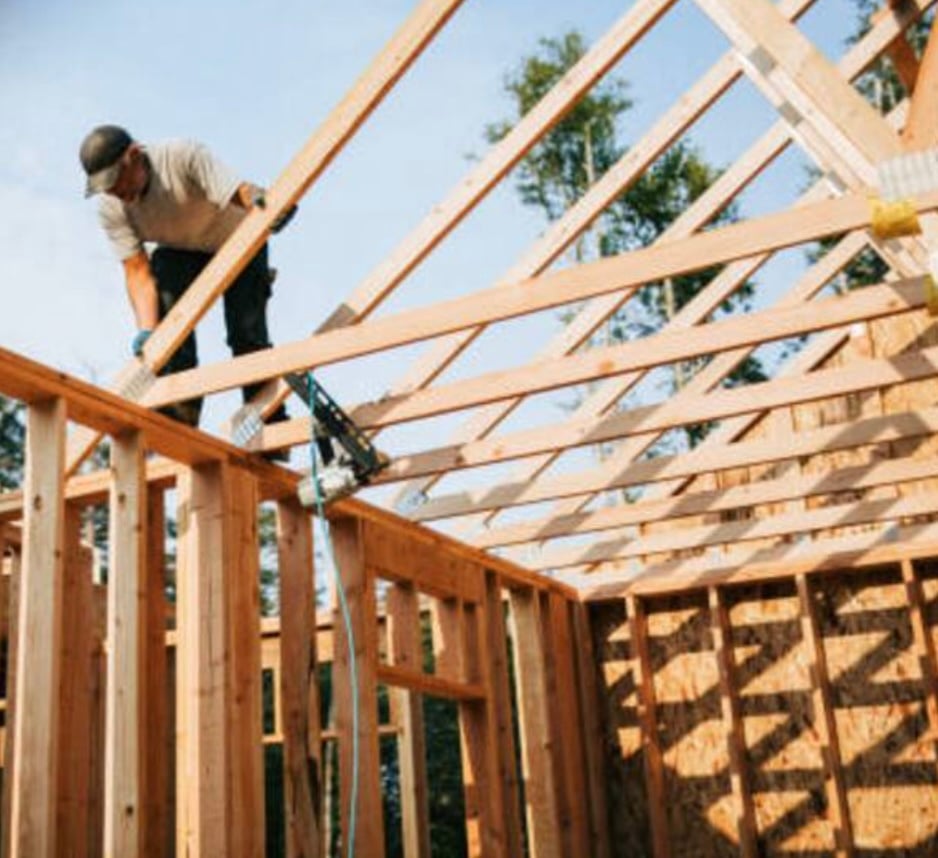
If affordability is going to improve in a meaningful and sustainable way, supply has to increase. That means supporting builders, not just buyers.
Builders face rising material costs, labor shortages, and increasingly complex local and state regulations. While safety standards matter and should never be compromised, the additional layers of red tape added over time have become a major affordability barrier.
Industry estimates show that local and state regulatory requirements can add as much as $110,000 to the cost of building a single home. Those costs are ultimately passed directly to buyers.
Reducing unnecessary permitting delays, duplicative regulations, and excessive fees would:
-
Lower the cost of new homes
-
Improve builder confidence
-
Encourage more housing starts
-
Expand inventory without destabilizing existing home values
More supply does not destroy value. It stabilizes markets, allows cities to absorb demand, and prevents prices from rising even faster for future buyers.
Why Rate Cuts Alone Will Not Fix Affordability
Even if mortgage rates returned to historic lows, affordability would not reset to pre-pandemic levels without new supply. Research shows rates would need to fall near 2.65 percent, or incomes would need to rise more than 50 percent, or prices would need to fall more than 35 percent to recreate 2019 affordability. None of those outcomes are realistic in the near term.
Housing markets are not zero-sum. Increasing supply does not erase homeowner equity. It creates balance.
The Path Forward
The real solution to housing affordability requires:
-
More new construction
-
Fewer unnecessary regulatory costs
-
Policies that support responsible building
-
A shift away from treating mortgage rates as the only solution
Interest rates matter, but they are not the root cause. Supply is.
For a deeper look at the policies discussed at Davos and the economic commentary behind them, you can read the full article here:
Original article: Realtor.com®, January 21, 2026
If you would like to understand how these national trends affect Colorado Springs specifically, or how supply constraints influence pricing and strategy in today’s market, I am always happy to share data and insight.
Tags:
#HousingAffordability #HousingSupply #NewConstruction #RealEstateEconomics #HomeInventory #ColoradoSpringsRealEstate #HousingMarketTrends
Social Links:
LinkedIn: https://www.linkedin.com/in/nicolestromrealtor/
Instagram: https://www.instagram.com/nicole_strom_realtor/
Facebook: https://www.facebook.com/Colorado.Springs.REALTOR.Military
YouTube: https://www.youtube.com/channel/UCohPtBrINuizMZT_mTPx9rg
Website: www.NicoleStromRealtor.com
Phone: 719-922-0102