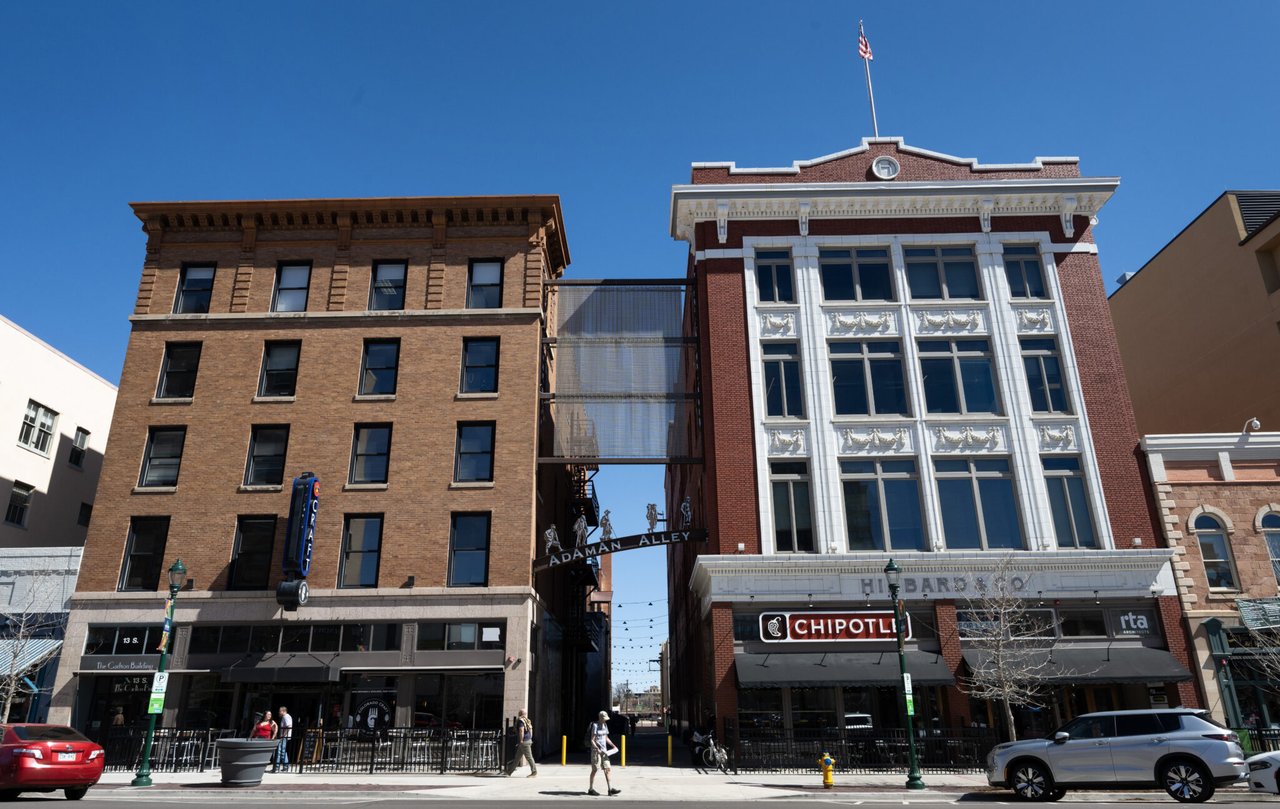
Downtown Colorado Springs is entering a major new chapter.
The Colorado Springs City Council officially approved the new “Elevate Downtown” plan this week, a long-term strategy that will help guide development, investment, housing, transportation, walkability, business growth, and infrastructure improvements throughout downtown for the next decade and beyond.
For anyone living in Colorado Springs, relocating to Colorado Springs, investing in Colorado real estate, or considering purchasing downtown property, this is a very important development to pay attention to.
According to city officials and the Downtown Partnership, the previous downtown development strategy from 2016 helped generate approximately $2.6 billion in investment, bringing hundreds of businesses, restaurants, and thousands of residential units into downtown Colorado Springs.
Now, the new Elevate Downtown plan is designed to continue that momentum.
What Is the Elevate Downtown Plan?
The new plan serves as a roadmap for how downtown Colorado Springs will continue evolving.
The vision centers around downtown becoming an even more vibrant, walkable, connected, and economically strong urban core where culture, history, business, transportation, housing, and recreation all intersect.
Some of the major priorities outlined in the plan include:
- Expanding walkability and pedestrian improvements
- Supporting small businesses
- Improving parks, trails, and public spaces
- Expanding transportation connectivity
- Adding public restrooms
- Continuing investment in infrastructure and utilities
- Encouraging more residential and mixed-use development
- Addressing homelessness and public service accessibility
- Strengthening downtown’s identity and public spaces
One major topic that continues to generate discussion is building height restrictions downtown.
Currently, portions of downtown Colorado Springs allow for unlimited building heights under the existing form-based code. Debate surrounding taller buildings, skyline preservation, mountain views, and future density is expected to continue as the city updates its zoning and form-based code later this year.
What This Means for Colorado Springs Real Estate
As someone deeply involved in the Colorado Springs real estate market, I believe this matters for several reasons.
1. Downtown Investment Impacts the Entire City
Strong downtowns create stronger regional economies.
When downtown Colorado Springs grows thoughtfully, it often creates:
- More jobs
- More business opportunities
- More entertainment and dining
- More housing options
- Increased tourism
- Expanded infrastructure investment
That ripple effect impacts surrounding neighborhoods, home values, local businesses, and future development opportunities throughout El Paso County.
2. Continued Demand for Urban Living
The demand for walkability, mixed-use communities, and urban living continues growing nationally, especially among younger professionals, remote workers, military families transitioning into civilian careers, and downsizing homeowners seeking convenience and lifestyle amenities.
Colorado Springs continues balancing that demand while still preserving the outdoor lifestyle, mountain access, and community feel that make this city so desirable.
3. More Housing Discussions Are Coming
One of the most important long-term conversations tied to this plan is housing supply.
Colorado Springs continues facing housing inventory challenges across multiple price points. Continued downtown development and higher-density projects could help create additional housing opportunities while supporting future workforce growth.
As Colorado Springs grows, city leaders, developers, businesses, and residents will continue navigating the balance between growth, affordability, infrastructure, traffic, skyline preservation, and quality of life.
Why This Matters for Buyers and Sellers
For buyers:
This plan signals long-term investment and confidence in downtown Colorado Springs and the surrounding urban corridor.
For sellers:
Major city investment plans often help support long-term desirability, infrastructure improvements, and future economic growth, all of which can positively impact buyer demand over time.
For investors:
This type of city planning document matters because it helps identify where future public and private investment may continue flowing.
My Thoughts
One thing I appreciate about this process is that the conversations happening are not just about buildings. They’re about identity, growth, quality of life, infrastructure, housing needs, transportation, business growth, and what Colorado Springs wants to become over the next 10-20 years.
As Colorado Springs continues growing, thoughtful planning matters.
Whether someone loves the idea of additional downtown density or prefers preserving the current skyline, the reality is that growth is continuing. The important part is ensuring that growth is intentional, sustainable, and supports both current residents and future generations.
Colorado Springs remains one of the most desirable places to live in Colorado, and decisions like these will continue shaping how the city evolves moving forward.
If you’d like to discuss how downtown growth, new development, housing inventory, or future planning could impact your property value, buying strategy, or investment goals, I’m always happy to help provide local insight and market perspective.
Original article by The Gazette. Read more here:
https://gazette.com