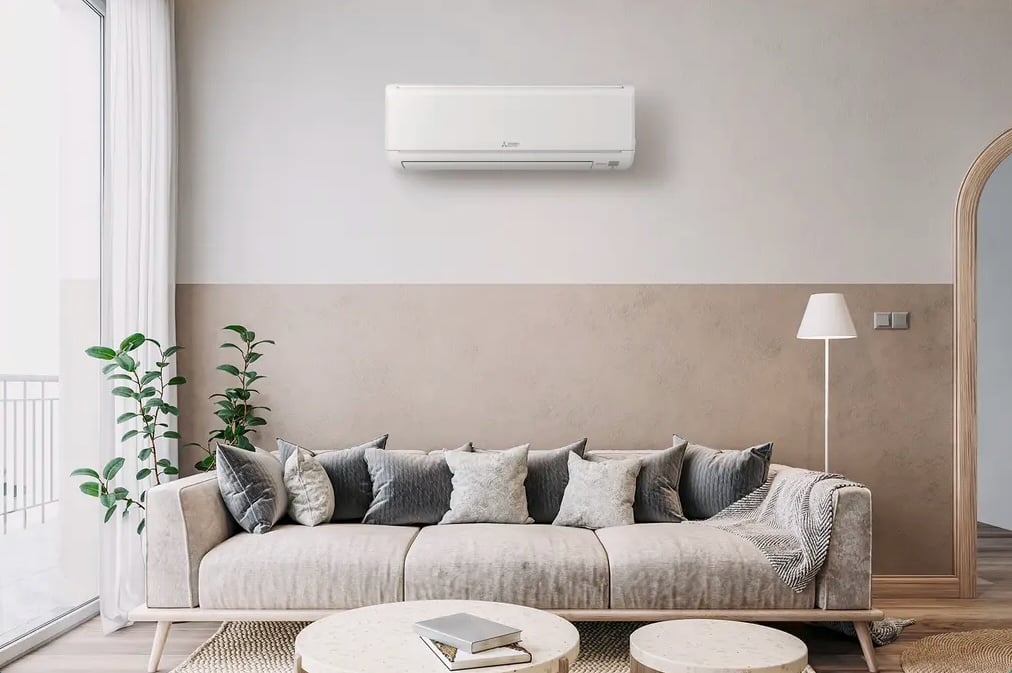
Homes with baseboard or radiant heating offer consistent, comfortable warmth, but they often lack one key feature modern buyers and homeowners expect: efficient cooling. Because baseboard systems do not use ductwork, adding traditional central air can be costly, disruptive, and inefficient. This is where ductless mini-split systems stand out as one of the most practical and energy-efficient solutions available.
Why Mini-Splits Pair Perfectly With Baseboard Heating
Mini-split systems are designed to operate independently of ductwork, making them an ideal match for homes heated by baseboards or radiant floors.
Key advantages include:
-
No duct installation required, which preserves walls, ceilings, and architectural integrity
-
High energy efficiency, often with SEER ratings well above traditional systems
-
Room-by-room zoning, allowing homeowners to cool only the spaces they use
-
Quiet operation, both indoors and outdoors
-
Modern aesthetics, with wall-mounted, ceiling cassette, or concealed options
For homeowners who love the comfort of baseboard heat but want reliable summer cooling, mini-splits provide a clean and efficient upgrade without compromising the home’s original design.
Efficiency and Operating Costs
Mini-splits use inverter-driven compressors that adjust output based on demand rather than cycling on and off. This leads to:
-
Lower electricity usage
-
More consistent indoor temperatures
-
Reduced wear on equipment
-
Improved humidity control
In many cases, homeowners find that mini-splits cost less to operate than window units or older cooling systems, especially during extended heat waves.
Installation Considerations
Adding mini-splits is typically faster and less invasive than installing central air. Most installations require:
-
A small wall penetration for refrigerant lines
-
An outdoor condenser placed discreetly outside the home
-
One indoor unit per zone or area
For multi-story homes or homeowners concerned about wall-mounted units, ceiling cassettes or short-ducted concealed systems can provide a more integrated look.
Impact on Home Value and Buyer Perception
From a real estate perspective, mini-splits are increasingly viewed as a value-adding feature, not a compromise.
Buyers appreciate:
-
Energy-efficient cooling without bulky ductwork
-
Zoned comfort that lowers monthly costs
-
A modern solution that aligns with today’s sustainability goals
In homes with baseboard heating, professionally installed mini-splits often position the property more competitively than homes relying on window units or portable air conditioners. Does it add value? Maybe/likely. Does it help a home sell faster? Yes.
Mini-Splits vs. Other Cooling Options
While high-velocity small-duct systems and full ducted central air are alternatives, mini-splits often win on efficiency, cost, and simplicity, especially in existing homes that are not undergoing major renovations.
For most homeowners, mini-splits strike the best balance between performance, aesthetics, and long-term value.
Is a Mini-Split System Right for Your Home?
Every home is different. Layout, ceiling height, insulation, window placement, and electrical capacity all play a role in determining the ideal system design. When planned correctly, mini-splits can transform a baseboard-heated home into a year-round comfort solution.
If you are evaluating cooling options for a home you own, are buying, or are preparing to sell, understanding how mini-splits impact efficiency, comfort, and resale value is an important part of the decision.
If you would like more information or help evaluating whether mini-splits make sense for your specific home, reach out for guidance and additional resources.